The different forms of pollution and their effects on the environment
Pollution can affect the environment in many different ways. It does not take a single form: it can contaminate soil, water, air, oceans, ecosystems and living organisms. Understanding the main forms of pollution helps to better identify their causes, their consequences and the risks they create for human health, biodiversity and natural resources.

Pollution is harmful because it can alter natural balances, damage ecosystems, contaminate food chains and expose humans, animals and plants to toxic substances. Depending on the pollutant and the affected environment, the consequences may be immediate, progressive or long-lasting.
Soil pollution
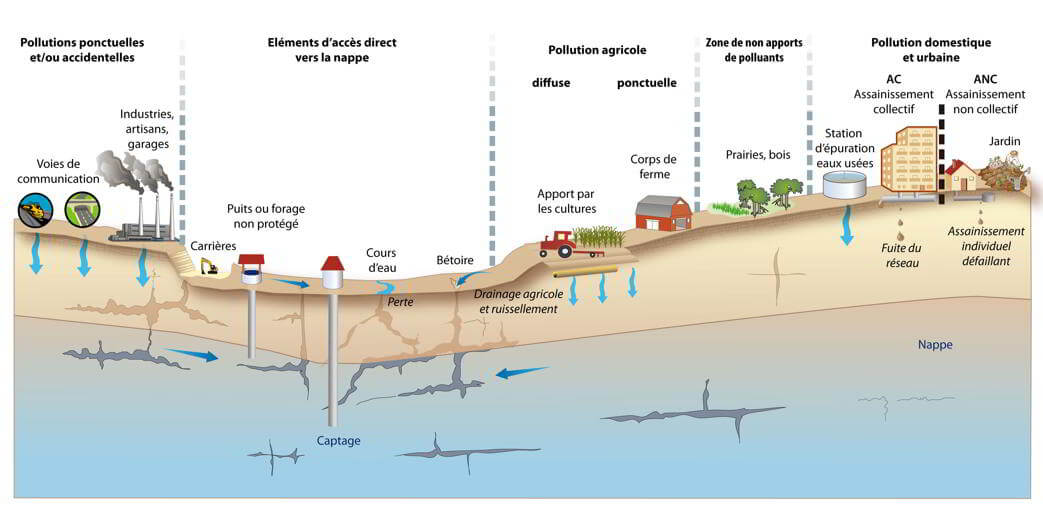
Soil pollution is often less visible than air or water pollution, but it can have serious and long-term consequences. Contaminated soil may contain hydrocarbons, heavy metals, solvents, pesticides, industrial residues or other hazardous substances.
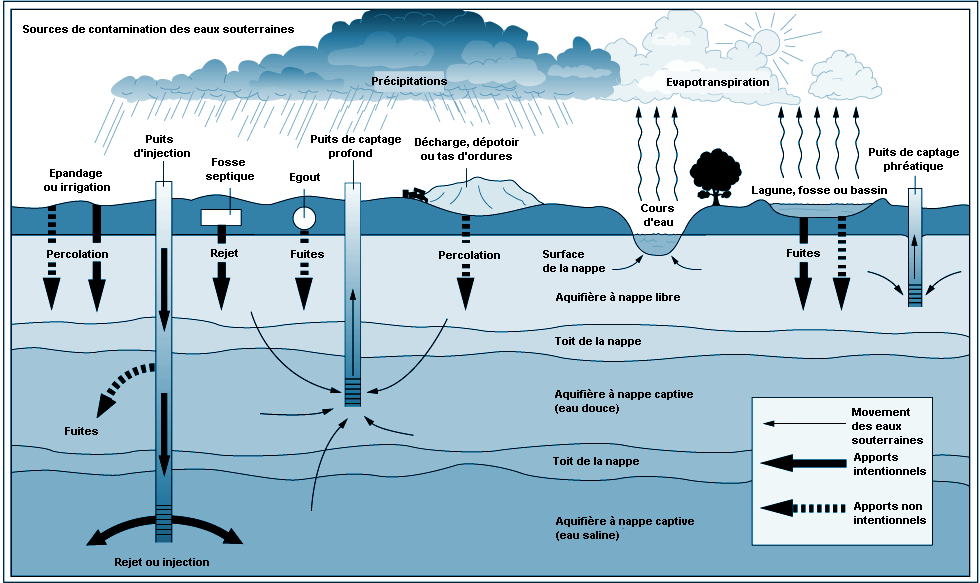
Excessive soil contamination can affect groundwater, surface water, crops and food chains. When plants grow on polluted land, certain contaminants can be absorbed and transferred to humans or animals through food consumption.
A soil pollution diagnosis makes it possible to identify potential sources of contamination, assess the risks and determine whether investigations, sampling or remediation works are necessary.
Water pollution
Water pollution affects rivers, lakes, groundwater, seas and oceans. It can result from industrial discharges, agricultural runoff, wastewater, hydrocarbons, chemicals, heavy metals or plastic waste.
When freshwater resources are polluted, ecosystems are weakened and drinking water supplies may become unsafe. Animals that drink contaminated water or live in polluted aquatic environments can suffer from poisoning, reproductive problems, respiratory difficulties or death.
Severe water pollution can also create “dead zones”, where oxygen levels are too low to support aquatic life. Over time, this can lead to the decline or disappearance of sensitive species.
Air pollution
Air pollution is one of the most visible and widely discussed forms of pollution. It is caused by emissions from transport, industry, heating systems, agriculture and energy production.
Greenhouse gases contribute to global warming and climate change. Other air pollutants can damage the ozone layer, increase exposure to ultraviolet radiation and contribute to the formation of acid rain.
Air pollution also has direct effects on human and animal health, including respiratory irritation, asthma, cardiovascular problems and other long-term health risks.
Noise pollution
Noise pollution is often underestimated, although it can seriously disturb both humans and wildlife. Road traffic, industrial activity, construction works, aircraft and machinery can all contribute to excessive noise levels.
In natural environments, noise pollution can alter animal behaviour, disturb reproduction, affect communication and push certain species away from their usual habitats.
Noise pollution also affects marine environments. Offshore drilling, ship traffic and underwater industrial activities can disturb species such as whales and dolphins, which rely heavily on sound for navigation, hunting and communication.
Pollution by oil spills and hydrocarbons
Oil spills and hydrocarbon pollution can cause massive environmental damage. When oil reaches soil, rivers, coastal areas or oceans, it can contaminate ecosystems for long periods and harm many animal and plant species.
Birds are particularly vulnerable when oil covers their feathers. This can prevent them from flying, reduce their insulation, cause poisoning when they ingest oil and lead to serious internal damage.
Hydrocarbon pollution may also affect soils, groundwater, aquatic life and vegetation, especially when spills are not quickly contained or treated.
Pollution by nuclear waste
Nuclear waste pollution is one of the most dangerous forms of environmental contamination because radioactive materials can remain hazardous for extremely long periods.
Nuclear accidents, such as Chernobyl, have shown that radioactive contamination can affect soil, water, air, wildlife, agriculture and human settlements over large areas.
Radioactive pollution can cause severe health effects, genetic damage, reproductive problems and long-term ecological disruption.
Light pollution
Light pollution is caused by excessive or poorly directed artificial lighting. It affects urban areas, roads, commercial zones, industrial sites and sometimes even natural environments located near human activity.
This type of pollution can disrupt ecosystems, modify animal behaviour and interfere with the natural day-night cycle. Nocturnal species are especially vulnerable because they rely on darkness for feeding, movement and reproduction.
Light pollution can also affect migratory birds, insects and other species that use natural light signals for orientation.
Why pollution control is essential
Each form of pollution can affect the environment in a specific way, but the impacts are often connected. Soil pollution can contaminate water, air pollution can damage ecosystems, and polluted water can affect both wildlife and human health.
Identifying pollution sources, assessing environmental risks and implementing appropriate prevention or remediation measures are essential steps to protect natural resources, biodiversity and public health.
You can also read our article about soil contamination and soil pollution diagnosis, as well as our page dedicated to soil pollution diagnosis throughout France.